 5 분
5 분 신트라 Pena 궁전 방문 최적기
Palácio Nacional da Pena 방문을 좌우하는 신트라 특유의 미세기후와 인파, 날씨, 빛의 변화를 월별로 안내해 드립니다.
- 신트라 미세기후가 모든 방문에 미치는 영향
- 월별 가이드: 연중 예상되는 조건
- 30분 예약 시간제 입장 규칙과 그것이 중요한 이유
Serra de Sintra · 포르투갈
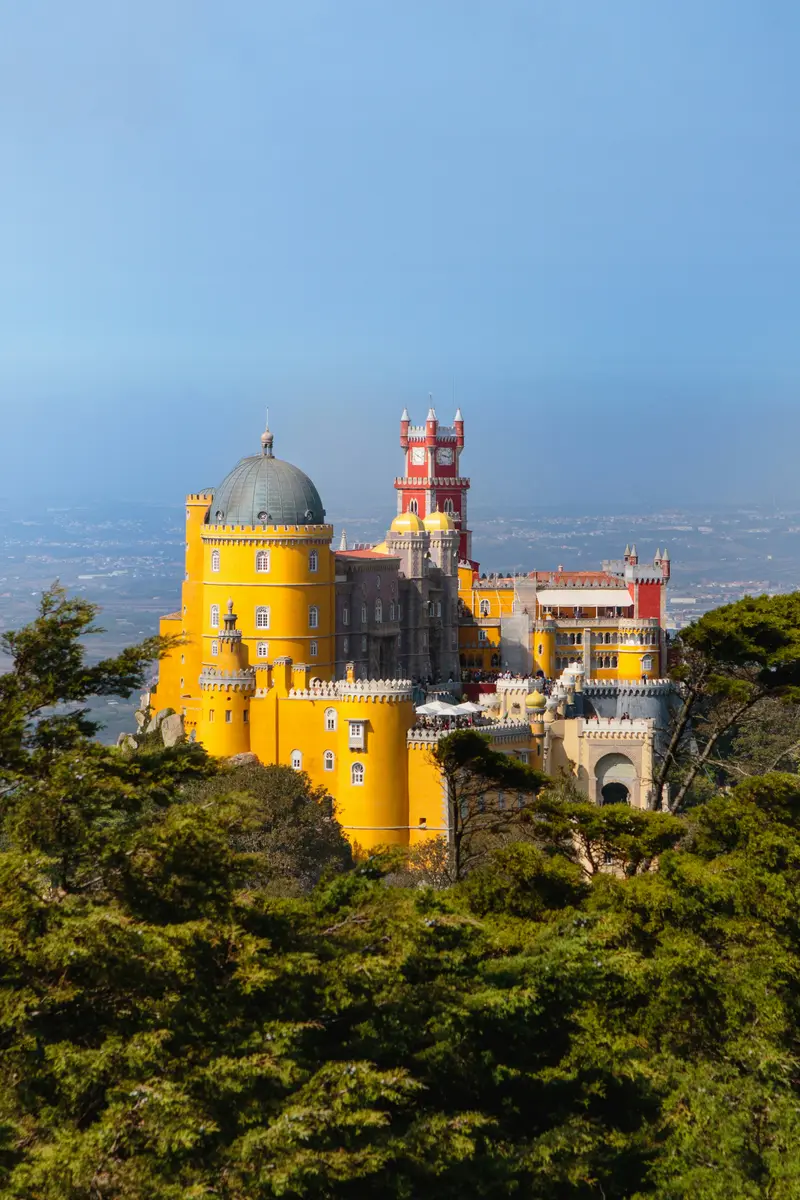
대서양 위 530미터, 카나리아 옐로와 버밀리언으로 물든 독일 왕자의 백일몽. 1910년 10월 마지막 왕이 떠난 그대로의 모습으로 남아 있습니다.
Serra de Sintra · 포르투갈
오래된 수도원의 노란색, 새로운 궁전 날개의 주홍색, 그리고 그 둘을 하나로 묶는 회색 마누엘 양식의 석재


궁전 + 공원 · 내부 예약 시간 입장
티켓 한 장으로 궁전 내부와 200헥타르에 달하는 공원 전체를 둘러보실 수 있습니다. 내부는 30분의 입장 시간대가 정해져 있으며, 공원은 하루 종일 자유롭게 이용하실 수 있습니다. 여기에서 요금을 선택하신 후, 실시간 달력에서 날짜와 입장 시간대를 선택하세요.
올라가는 길
리스본 기차역에서 마지막 왕의 침실까지, 그리고 공원을 지나 다시 내려오는 여정—매일 예약을 담당하는 데스크가 직접 쓴 실제 방문 안내.
세상에서 페나 국립궁전(Palácio Nacional da Pena)만큼 사진으로 남기기 좋은 건축물은 흔치 않습니다. 카나리아 옐로의 시계탑, 버밀리언 색조의 마누엘 양식 날개 건물, 장난감 성곽처럼 보이는 총안(銃眼) 장식과 양파 모양 돔이 신트라 산맥(Serra de Sintra)에서 가장 높은 숲이 우거진 능선 위에 자리해, 흔히 대서양의 안개 바다를 뚫고 솟아오릅니다. 이곳은 16세기 수도원의 터 위에 세워진 19세기 낭만주의의 환상적인 건축물입니다. 포르투갈 왕비와 결혼한 젊은 독일 왕자가 산꼭대기에 새로운 국가 양식을 창조하기로 결심하며 꿈꾼 건축적 백일몽이 바로 이곳입니다.

리스본에서 Pena까지 가는 방법
페나궁은 리스본 중심에서 북서쪽으로 약 30km 떨어져 있으며, 이동 경로는 기차, 버스, 툭툭, 택시, 그리고 (주말에는 잠시) 교통 체증이 뒤섞인 악명 높은 코스입니다. 주요 옵션은 다음과 같습니다: 리스본 로시우 역에서 신트라까지 CP 교외 기차(약 40분, 배차 간격이 짧고 가장 안정적인 구간), 이어서 신트라 역에서 페나까지 무어 성을 경유하는 Scotturb 434 순환 버스; 리스본 호텔에서 전용 차량 또는 택시; 또는 카보 다 로카와 카스카이스를 함께 방문하는 가이드 당일 여행.
개별 방문객을 당황하게 하는 두 가지 주요 제약이 있습니다. 첫째, 일반 차량은 궁전 문까지 운전할 수 없습니다. 2022년부터 상부 산맥 도로가 비거주자 차량에 폐쇄되었고, 주차장은 낮은 산 중턱으로 내려가며 셔틀이 운행됩니다. 둘째, 434번 버스는 매력적이지만 여름 주말에는 수요가 매우 많아 신트라 역에서 45분 동안 줄을 서야 할 수 있습니다. 대부분의 방문객에게는 개별 이동 또는 사전 예약한 툭툭이 더 여유로운 방법입니다.
경로별 상세 비교(기차 시간, 434 vs 435 버스 노선, 택시 요금, 리스본에서 Uber가 실제로 합리적인 경우, 낮은 주차장에서 새로운 셔틀 이용 방법)는 /guides/how-to-get-from-lisbon/ 페이지를 참조하세요.

30분 시간 지정 입장 시스템의 실제 작동 방식
2018년부터 페나의 궁전 내부는 Parques de Sintra가 관리하는 엄격한 30분 시간 지정 입장 시스템으로 운영됩니다. 티켓에는 특정 입장 시간(예: 11:30–12:00)이 표시됩니다. 그 시간 안에 내부로 입장해야 합니다. 공원 자체는 공원 포함 티켓이면 어느 것이든 종일 개방되며, 시간 제한은 내부에만 적용됩니다.
방문객이 자주 놓치는 몇 가지 운영 방식이 있습니다. 첫째, 입장 시간은 언제 들어가는지를 정할 뿐 얼마나 머무는지는 정하지 않습니다. 일단 안에 들어가면 내부를 일방통행으로 둘러보는 데 필요한 만큼 충분히 머물 수 있으며, 보통 35–55분이 걸립니다. 둘째, 슬롯은 공원 입구가 아니라 궁전 문에서 확인하므로, 내부 슬롯보다 일찍 공원에 들어가 정원을 걸어 올라와 입장 시간이 열리기 몇 분 전에 궁전 문에 도착하는 것이 지극히 정상이며 권장됩니다. 셋째, 가장 사진이 잘 나오는 시간대 — 대략 여름에는 10:00~12:30, 겨울에는 10:30~13:00 — 의 슬롯은 성수기에는 며칠 전에 매진됩니다. 넷째, 슬롯을 놓쳤다고 해서 항상 티켓이 무효가 되는 것은 아닙니다. Parques de Sintra 직원은 보통 여유가 있으면 늦게 도착한 방문객을 다음 이용 가능한 시간으로 들여보내 주지만, 성수기에는 여유가 없는 경우가 많습니다.
버스 투어 패턴, 사진 빛, 일일 안개 주기를 고려해 어떤 슬롯을 골라야 하는지에 대한 전체 분석은 저희 /guides/best-time-to-visit/ 페이지를 참조하세요. 요약하자면, 09:30~10:30 내부 슬롯을 09:00부터의 공원 입장과 함께 잡는 것이 대부분의 방문객이 할 수 있는 가장 좋은 선택입니다.

Pena는 무엇이며, 왜 포르투갈 내 어느 건축물과도 다른 모습일까요
Pena(발음: 페-나, 고대 포르투갈어로 '바위' 또는 '절벽'을 의미하며, 현대어의 '슬픔'과 혼동하지 마세요)는 이베리아 반도에서 가장 완벽하게 구현된 낭만주의 시대 궁전이자 유럽에서 가장 초기의 궁전 중 하나로, 바이에른의 루트비히 2세가 지은 노이슈반슈타인 성보다 약 30년 앞서 있습니다. 이곳은 원래 Nossa Senhora da Pena에 봉헌된 작은 중세 예배당으로 시작되었으며, 16세기 초부터는 마누엘 1세 국왕이 명령한 히에로니미트 수도원이 자리 잡았습니다. 1755년 리스본 대지진으로 수도원은 폐허가 되었지만 예배당은 살아남았습니다. 폐허는 거의 한 세기 동안 방치되었습니다. 1838년, 포르투갈 여왕 마리아 2세의 남편이자 빅토리아 여왕과 앨버트 공의 사촌인 작센코부르크고타의 페르디난트 2세 국왕 배우자가 이 부지를 개인적으로 매입하고, 독일 광산 기술자이자 아마추어 건축가인 빌헬름 루트비히 폰 에슈베게 남작을 고용하여 여름 별장으로 개조했습니다. 주요 재건축 공사는 1842년부터 1854년까지 진행되었으며(주변 공원과 초기 부지 작업은 1839년에 시작됨). 페르디난트가 지은 것은 의도적인 양식적 콜라주입니다: 신고딕 양식의 흉벽, 포르투갈의 대항해 시대를 반영하는 신마누엘 양식의 꼬인 밧줄 몰딩, 신이슬람 양식의 말굽 아치와 타일로 덮인 돔, 그리고 신르네상스 양식의 실내 장식입니다. 노란색과 빨간색 날개는 페인트 사고가 아닙니다. 이는 건물의 두 단계를 나타내며, 빨간색 마누엘 양식 날개는 옛 수도원의 살아남은 회랑을 감싸고, 노란색 날개는 새로운 왕실 아파트를 수용합니다. 페르디난트는 1885년에 사망했으며, 포르투갈 정부는 1889년에 그의 두 번째 아내인 엘리제 헨슬러(에들라 백작부인)로부터 궁전을 매입했습니다. 1910년 공화국 혁명으로 포르투갈 군주제가 종식된 후, Pena는 국가 기념물로 지정되어 박물관으로 전환되었습니다. 1995년 유네스코는 신트라의 더 넓은 문화 경관을 세계 유산 목록에 등재했으며, Pena는 그 지정의 핵심입니다.

내부 전시실: 1910년 10월에 멈춘 왕실 거주지
페나궁은 유럽의 왕궁 중에서도 박물관이 되기 직전까지 실제 가족이 거주하던 주택이었다는 점에서 이례적입니다. 포르투갈의 마지막 왕인 마누엘 2세는 1910년 10월 5일 공화국 혁명 당시 왕실 요트를 타고 망명길에 올랐습니다. 그의 페나궁 내 개인 아파트는 곧 봉인되었고, 원래 가구, 책, 개인 소지품, 장식 구성이 그대로 보존되었습니다. 그 결과 오늘날 그곳을 걸어 들어가면 전형적인 박물관 재현보다는 '벨벳 속의 폼페이'에 가까운 느낌을 받게 됩니다. 에드워드 시대 왕실 가족이 실제로 사용했던 모습 그대로입니다.
내부 동선은 일방통행로로, 여러 개의 뚜렷한 분위기를 지니고 있습니다. 16세기 히에로니미트 수도회 회랑(아줄레주 타일 세공)에서 시작하여 페르디난트의 절충주의적 응접실(중앙에 야자수 기둥과 트롱프뢰유 사냥 장면이 있는 사슴의 방, 무어식 치장 벽토를 모방한 채색 천장의 아랍의 방, 리셉션에 사용된 귀족의 방)으로 올라갑니다. 그곳에서 아멜리아 왕비의 아파트(침실, 찻방, 전화실 – 페나궁은 포르투갈 왕실 거주지 중 최초로 전화 회선이 설치된 곳 중 하나)를 거쳐 마누엘 2세의 숙소(1910년 여름 마지막 체류 시 사용한 침실 포함)에서 끝납니다. 부엌에는 페르디난트가 지정한 원래 패턴대로 구리 그릇이 걸려 있어 예상치 못한 하이라이트 중 하나입니다.
각 공간의 사진 촬영 팁(대부분의 방은 플래시 없이 촬영 가능하지만 일부는 전면 금지)을 포함한 방별 상세 안내는 /guides/what-to-see-inside/ 페이지를 참조하세요.

공원: 200헥타르 규모의 호수 계곡, 샬레, 그리고 높은 십자가
궁전 주변 공원은 대략 모나코 크기이며 그 자체로 반나절을 보낼 가치가 충분합니다. 페르난두는 이곳을 영국 전통의 낭만주의 조경 정원으로 설계하며, 포르투갈 식민지 네트워크 전역과 그 너머에서 들여온 500종 이상의 식물 — 호주 나무고사리, 북미 세쿼이아, 일본 삼나무, 중국 은행나무 — 을 심어 일 년 내내 매주 무언가가 꽃을 피우거나 단풍이 들도록 했습니다.
세 곳의 명소는 일부러 찾아가 볼 가치가 있습니다. 호수의 계곡은 상부 능선에서 흘러내리는 시내가 공급하는 낮은 공원의 작은 인공 연못들이 이어진 곳으로, 각 호수마다 성 모양의 오리 집이 있습니다. 이곳은 공원 어디보다 아침 안개가 오래 머무는 아늑한 움푹한 지형에 자리하며, 종종 저택 전체에서 가장 한적한 구석이 됩니다. 궁전에서 도보 약 25분 거리의 서쪽 공원에 있는 에들라 백작부인의 샬레는 완전히 별개의 건물입니다. 페르난두가 1860년대에 엘리제 헨슬러와의 은밀한 별장으로 지은 스위스 샬레풍 오두막으로, 마리아 2세 왕비 사후 그가 결혼해 에들라 백작부인으로 봉한 미국 태생 오페라 가수입니다. 1999년 화재로 거의 소실될 뻔했고 2011년 세심한 복원을 거쳐 다시 문을 열었습니다. 별도의 시간 지정 입장이 있으며 통합 티켓에 포함되고 걸어갈 가치가 있습니다. 높은 십자가 — Cruz Alta — 는 해발 528미터로 세라 데 신트라 전체에서 가장 높은 지점이며, 궁전에서 오르막 도보 20분 거리입니다. 정상의 화강암 바위에서 페르난두가 모든 것을 배치할 때 마음에 그렸던 파노라마 전망이 펼쳐집니다: 아래로 궁전, 서쪽으로 대서양, 남쪽으로 테주 강, 맑은 날에는 멀리 리스본의 다리들까지.

신트라 미세기후: 7월에도 재킷이 필요한 이유
페나를 방문할 때 가장 과소평가되는 사실은 날씨입니다. 궁전은 대서양 수분을 머금은 화강암 능선인 신트라 산맥의 해발 약 480미터에 자리 잡고 있습니다. 그 결과 리스본 중심부보다 섭씨 5~8도 낮고 눈에 띄게 습한 미기후가 형성되며, 10월에서 5월 사이 대부분의 아침과 여름 아침의 약 3분의 1은 안개(현지인들은 '네보에이루'라고 부름)가 상부 공원을 감쌉니다. 이것은 각주가 아니라 전체 경험입니다.
안개 낀 아침의 페나는 유럽 관광의 위대한 시각적 선물 중 하나입니다. 노란 탑이 회백색 구름 속에서 모습을 드러내고, 소리는 흡음되며, 단체 관광객이 아직 도착하지 않아 인파는 줄어들고, 장소는 페르디난트가 의뢰한 낭만주의 그림 그대로입니다. 맑은 오후의 페나도 완전히 다른 이유로 훌륭합니다. 공원 정상의 하이 크로스 전망대에서 유럽 대륙 최서단인 카보 다 로카, 대서양, 타구스 강 하구, 그리고 가장 맑은 날에는 리스본 남쪽의 아라비다 산맥까지 볼 수 있습니다.
실용적인 의미는 계절에 관계없이 겉옷을 챙겨야 한다는 것입니다. 리스본 호텔 예보가 섭씨 32도에 맑음이라도, 페나에서는 종종 섭씨 24도에 돌풍이 붑니다. 미끄럼 방지 기능이 있는 발가락이 막힌 신발을 신으세요. 공원의 화강암 길은 대부분의 아침에 젖어 미끄럽습니다. 최적의 방문 시간 분석(안개 창, 노란 탑의 그림자 방향, 크루즈선 단체 도착 패턴, 화요일과 토요일의 차이)은 /guides/best-time-to-visit/ 페이지를 참조하세요.

사진 촬영: 빛, 안개, 그리고 높은 십자가 전망대
페나는 포르투갈에서 가장 사진이 많이 찍히는 건물 중 하나이며, 상징적인 사진들은 거의 모두 세 군데 위치 중 한 곳에서 촬영됩니다. 궁전 바로 남쪽에 있는 퀸즈 테라스에서는 붉은 마누엘 양식의 별관이 오른쪽으로 뻗어 내려가는 노란 시계탑의 정면을 고전적인 구도로 담을 수 있습니다. 이곳의 아침 빛은 대략 09:30에서 11:30 사이에 사진작가 뒤쪽에서 비춰져 탑이 빛납니다. 동쪽 성벽의 월 워크에서는 큐폴라가 있는 측면 윤곽을 볼 수 있으며, 해가 등 뒤에 있고 붉은 별관이 완전히 빛을 받는 늦은 오후가 가장 좋습니다. 하이 크로스 전망대는 위의 공원 섹션에서 설명한 20분 오르막 산책로로, 페나를 전체 경관 속에서 보여주는 유일한 사진을 담을 수 있는 곳입니다. 능선에 자리한 궁전, 뒤편의 대서양, 그리고 안개가 걷히기 전에 도착하면 건물 아래로 펼쳐지는 구름 바다까지 담을 수 있습니다.
페나의 골든 아워는 잘 알려지지 않은 비밀입니다. 궁전 내부는 여름에는 18:30에 문을 닫지만(겨울에는 더 이르니 실시간 페이지를 확인하세요), 공원은 더 늦게까지 열려 있으며 건물의 최고 풍경 사진은 공원 폐장 30분 전에 촬영됩니다. 그때는 색이 짙어지고 관광버스는 이미 떠난 뒤입니다. 드론은 신트라 문화 경관 전체에서 금지되며, 이는 단속됩니다. 삼각대는 공원에서는 허용되지만 궁전 내부 방에서는 허용되지 않습니다. 플래시는 모든 내부 방에서 금지됩니다. 일출 사진을 진지하게 생각하신다면, 공원 게이트는 09:00(겨울에는 09:30) 이전에 열리지 않는다는 점을 유의하세요. 진정한 일출 사진을 위해서는 공원 안이 아니라 세라 도로의 공공 전망대 중 한 곳에 있어야 합니다.

어린이와 함께 Pena 방문하기
페나는 겉으로 보기에 아이들이 매우 좋아할 만한 명소입니다. 디즈니 성처럼 생겼고 색감이 선명하며, 난간 너머로 내려다볼 수 있는 총안과 눈에 띄는 작은 탑들이 있고, 공원에는 오리들이 있는 호수와 기어오를 수 있는 화강암 바위들이 있습니다. 실제로는 미리 계획해 두어야 할 몇 가지 제약이 있습니다. 궁전 내부는 좁은 복도로 이어지는 일방통행 동선이며 여러 지점에서 유모차 통행이 불가능합니다. 푹신한 아기띠가 유모차보다 훨씬 낫습니다. 아래쪽 공원 입구에서 궁전까지는 가파른 600미터 오르막이라 더운 날에는 여섯 살 미만 아이들에게는 벅찬 코스입니다. 그래서 어린아이와 함께라면 입구에서 궁전 앞마당까지 운행하는 셔틀버스(Parques de Sintra가 소액 추가 요금을 받고 운영)를 이용하는 것이 현명합니다. High Cross까지는 고르지 않은 화강암 길을 20분 더 올라가야 하는데, 걷기에 자신 있는 만 일곱 살 정도부터는 가능하지만 그 이전에는 매우 힘듭니다. 궁전 층에는 화장실과 카페가 있고, 아래쪽 공원에도 카페가 하나 더 있습니다.
연령별 아이 동반 상세 안내 — 유모차 동선, 셔틀버스, 식사 장소, 열 살 미만 아이들이 확실히 좋아하는 것(Stag Room과 주방은 언제나 통합니다), 그리고 지친 어린아이와 함께라면 건너뛸 것 — 는 /guides/with-kids/ 페이지에서 확인하세요.
공원
일부러 찾아가야 할 여섯 곳. 거리는 궁전 문에서 도보 기준입니다.


주변 명소
불과 수 킬로미터 거리에 네 개의 기념물이 있지만, 그 어느 것도 서로 대체될 수 없습니다. 각각이 무엇인지, 한 줄로 소개합니다.
| 페나 궁전 | 킨타 다 레갈레이라 | 무어인의 성 | 신트라 국립궁전 | |
|---|---|---|---|---|
| 시대 | 19세기 낭만주의 궁전, 1838년~1854년 | 20세기 초 사유 저택, 1904년~1910년 | 8~9세기 언덕 요새 | 마을 중심에 있는 중세 왕실 궁전 |
| 성격 | 색채, 고도, 그리고 가구로 꾸며진 왕실의 방들 | 하강과 상징성: 이니시에이션 웰, 터널, 동굴들 | 도보로 둘러볼 수 있는 성벽과 파노라마 전망; 내부 관람은 없음 | 쌍둥이 원뿔형 굴뚝 아래에 펼쳐진 타일 장식의 홀 |
| 소요 시간 | 2시간 30분~3시간 | 2~3시간 | 1시간~1시간 30분 | 1시간~1시간 30분 |
| 추천 대상 | 첫 방문객, 사진 애호가, 가족 단위 여행객 | 호기심 많은 여행자와 여유롭게 즐기고 싶은 이들 | 도보 여행자와 전망을 찾는 이들 | 비 오는 오후, 도심 속에서 |
페나궁과 함께 방문하는 가장 일반적인 두 번째 명소는 20세기 초 브라질-포르투갈 사업가 안토니우 아우구스투 카르발류 몬테이루의 저택인 킨타 다 레갈레이라로, 밀교적 상징성, 입문의 우물, 동굴, 정원이 있습니다. 두 장소는 신트라 시내에서 도보로 약 25분 거리에 있으며, 서로 대체재가 아니라 보완 관계입니다.
페나궁은 높고, 연극적이며, 파노라마 뷰를 제공하고, 왕실적입니다. 지배적인 분위기는 색채와 고도입니다. 푸른 하늘이나 회색 안개를 배경으로 한 노란 탑, 멀리서 보도록 만들어진 건물입니다. 레갈레이라는 낮고, 비밀스럽고, 수직적이며, 밀교적입니다. 지배적인 분위기는 하강과 상징성입니다. 입문의 우물은 9층까지 땅속으로 나선형으로 내려가고, 정원은 숨겨진 터널로 연결되며, 도상학은 템플러, 프리메이슨, 연금술 전통에서 차용했습니다. 대부분의 방문객이 하루에 두 곳을 모두 방문하려고 하면 한 곳에 지치고 서두르게 됩니다. 하루 방문객에게는 자신의 기질에 맞는 곳을 선택하는 것이 정답입니다. 이틀 방문객에게는 안개가 끼기 쉬운 아침에 페나궁을, 맑은 오후에 레갈레이라를 방문하는 것이 정답입니다.
문의
페나에 대해 우리가 받는 모든 질문을 알파벳순으로 정리했습니다. 하나를 열면 그 자리에서 답을 읽을 수 있습니다.
예. 페나 궁전(Pena Palace)은 신트라 문화 경관에서 가장 독보적인 명소로, 하루 일정으로 방문하는 대부분의 여행객이 놓치면 후회하는 곳입니다. 세라 드 신트라에서 가장 높은 숲이 우거진 능선에 자리 잡은 이 궁전은 카나리아 노란색 시계탑, 주홍색 마누엘 양식 건물, 무어식 성벽 덕분에 유럽에서 가장 많이 사진이 찍히는 건축물 중 하나이며, 내부에는 1910년 10월 군주제가 붕괴될 당시 포르투갈 왕실이 남겨둔 그대로의 왕실 아파트가 거의 완벽하게 보존되어 있습니다. 하루에 한 곳만 방문해야 한다면 페나 궁전을 선택하고, 신트라 시내에서 기차와 버스를 포함해 최소 4시간을 예산에 잡으세요. 시간이 허락해 두 번째 장소를 추가한다면, 신비로운 정원과 이니시에이션 웰(Initiation Well)이 있는 퀸타 다 레갈레이라(Quinta da Regaleira)나, 성벽과 대서양 조망이 인상적인 인근의 8세기 무어 성(Moorish Castle)과 함께 둘러보세요. 단, 하루에 세 곳을 모두 소화하려면 대부분의 여행객이 매우 촉박함을 느낍니다.
거의 모든 첫 방문객에게는 Palace + Park 티켓이 올바른 선택입니다. 공원 단독 티켓(Parques de Sintra가 더 낮은 가격에 직접 판매)은 200헥타르의 부지, 외부 테라스, 계곡 호수, 그리고 페나에서 본 모든 외관 사진의 배경이 되는 공간을 포함합니다. 객실보다 풍경에 중점을 두는 재방문객이라면 고려할 만한 선택입니다. 그 외의 모든 방문객에게 내부는 페나가 단순히 사진이 잘 나오는 포르투갈 성이 아닌 이유입니다. 왕실 객실은 1910년 10월 군주제가 붕괴된 날 봉인되었으며, 왕실 가족이 떠난 그대로 보존되어 있습니다. 혁명의 한가운데, 오후 중반에 멈춰버린 실제 거주 공간인 셈입니다. Pena Palace Tickets은 Palace + Park 티켓을 줄서지 않고 입장할 수 있는 우선 입장권과 함께, 가격에 포함된 한국어 지원 서비스를 제공합니다. 저희는 공원 단독 옵션을 판매하지 않습니다. 공원 단독 티켓이 필요하다면 Parques de Sintra 공식 웹사이트나 티켓 데스크에서 직접 예약하세요.
Pena Palace 내부와 주변 200헥타르 공원 모두 입장, 궁전 입구에서 우선 대기열 이용. 30분 시간대는 도착 전에 예약됩니다.
Cruz Alta는 Serra de Sintra의 최고봉인 해발 528미터 화강암 노두로, 궁전에서 남동쪽으로 상부 공원을 지나 도보 약 20분 거리에 위치해 있습니다. 산책로는 울퉁불퉁한 화강암으로 이루어져 유모차나 휠체어 접근은 불가능합니다. 대서양, Cabo da Roca, 태호강, 그리고 궁전 전체를 자연 경관 속에서 조망할 수 있는 파노라마 전망으로 충분히 오를 가치가 있으며, 영지 내 최고의 촬영 명소입니다.
Elise Hensler는 미국에서 태어나 스위스에서 자란 오페라 가수로, Ferdinand II가 Queen Maria II의 사망 이후 만났습니다. 두 사람은 1869년에 결혼했고 그녀는 Countess of Edla로 봉해졌습니다. Ferdinand는 그녀를 위해 Pena 공원 서쪽에 스위스 샬레 스타일의 별장을 개인 은둔처로 지었으며, 의도적으로 본궁과 구별되게 했습니다. 이 별장은 1999년 화재로 심하게 손상되었고 복원 후 2011년에 다시 문을 열었습니다. 별도의 예약 시간 입장이 있으며 Pena 통합 티켓에 포함되어 있습니다.
페나 궁전은 1842년부터 1854년까지 포르투갈 여왕 마리아 2세의 독일 태생 남편이자 영국 빅토리아 여왕과 앨버트 공의 사촌인 작센코부르크고타의 페르디난트 2세 국왕을 위해 건축되었습니다. 페르디난트는 1838년 이 언덕 부지를 매입하고, 독일 출신의 광산 기술자이자 아마추어 건축가인 남작 빌헬름 루트비히 폰 에슈베게에게 왕실의 낭만적인 여름 별장으로 탈바꿈할 것을 의뢰했습니다. 궁전은 마누엘 1세 국왕이 세운 16세기 히에로니마이트 수도원의 폐허 위에 세워졌는데, 이 수도원은 1755년 대지진으로 폐허가 되었습니다. 수도원의 예배당과 마누엘 양식 회랑은 살아남아 새 건물 안에 의도적으로 보존되었습니다. 페르디난트는 생생한 색채 구성, 절충적인 복고 양식의 혼합, 그리고 주변 공원을 직접 감독했습니다. 1885년 그가 사망한 후, 포르투갈 정부는 1889년에 페나 궁전을 인수했고, 1910년 공화국 혁명 이후 국립 기념물이 되었습니다.
가이드
방문 시간, 교통편, 실내 공간, 가족 동반 여행, 그리고 페나와 레갈레이라 사이의 선택에 관한 깊이 있는 읽을거리.
5 분 Palácio Nacional da Pena 방문을 좌우하는 신트라 특유의 미세기후와 인파, 날씨, 빛의 변화를 월별로 안내해 드립니다.
 4 분
4 분 리스본 중심부에서 Palácio Nacional da Pena 정문까지 이용 가능한 모든 실질적인 교통수단을 소요 시간, 환승 지점, 434번 버스 순환 노선 안내와 함께 상세히 소개해 드립니다.
4 분 신트라에서 가장 많은 방문객이 찾는 두 기념물을 전문가 시각으로 비교해 드립니다. 서로 다른 세기, 다른 후원자, 다른 분위기를 지닌 두 명소 중 단 하루만 시간이 있다면 어떻게 선택해야 할까요?
 5 분
5 분 Stag Room의 은박 사슴 장식부터 Arab Room의 트롱프뢰유 기법 아치형 천장까지, 온전히 보존된 왕실 거처와 그 너머 펼쳐진 정원까지 — 궁전 곳곳에서 놓치지 말아야 할 감상 포인트를 안내해 드립니다.
 5 분
5 분 유모차 이용 현실, 연령별 기대 사항, 아이들이 실제로 좋아하는 것들, 그리고 Pena 궁전과 무어 성(Moorish Castle)을 결합하여 가족 친화적인 신트라 하루 일정을 만드는 방법을 안내해 드립니다.
올라가는 길
운영 시간, 주소, 입장 방법, 짐 보관 및 사진 촬영 규정 — 운영사 확인을 거친 정보입니다.
| 운영 시간 | 매일 09:30 – 18:30 운영 (최종 입장 17:30). 12월 25일 및 1월 1일 휴관. |
|---|---|
| 주소 | Estrada da Pena, 2710-609 Sintra, 포르투갈 |
| 오시는 길 | 리스본의 Rossio 역에서 Sintra까지 기차로 40분. Sintra 역에서 434번 버스가 15분 간격으로 궁전까지 운행합니다. |
| 접근성 | 공원 산책로는 자갈길이며 경사가 있습니다. 정문에서 궁전 입구까지 셔틀(€3)이 운행됩니다. 궁전 내부는 1층 객실만 접근 가능하며, 상층 거처는 계단을 이용하셔야 합니다. |
| 가방 정책 | 작은 가방은 휴대 가능합니다. 대형 배낭은 입구에서 무료로 보관하셔야 합니다. |
| 사진 촬영 | 왕실 아파트 내부를 제외한 모든 곳에서 사진 촬영이 가능합니다. |
| 휴무 | 2026년 7월 3일 · 2026년 7월 4일 · 2026년 7월 5일 · 2026년 7월 6일 |
Pena 궁전은 대서양에서 530미터 높이의 신트라 언덕 위 숲속에 자리한 19세기 왕실 여름 별궁입니다. 화가의 팔레트를 연상시키는 선명한 노란색과 붉은색 탑, 마누엘 양식의 회랑, 무어 양식의 성벽이 어우러져 유럽에서 가장 많이 촬영되는 건축물 중 하나이자, 낭만주의 시대를 대표하는 최초의 궁전으로 손꼽힙니다.
궁전 내부의 왕실 거처는 1910년 마지막 포르투갈 왕실이 떠났을 당시의 모습 그대로 보존되어 있습니다. 주방의 구리 조리기구, 침대 옆 탁자 위의 가족 사진, 옷장 속 모노그램이 새겨진 린넨까지 그대로입니다.
궁전을 둘러싼 200헥타르 규모의 공원은 동백나무, 거대한 양치류, 숨겨진 정원 건축물로 이루어진 숲을 이루고 있습니다. 대부분의 방문객께서는 총 3~4시간 정도 머무르십니다.
Pena Palace Tickets은 해외 방문객을 위한 독립 예약 데스크입니다. Parques de Sintra의 공식 Palace + Park 티켓을 여러분의 언어와 통화로 대신 구매해 드리며, 해외에서 발생할 수 있는 문제들 — 매진된 여름 시간대, 434번 버스 대기 줄, 안개, 그리고 기다려 주지 않는 입장 슬롯 — 을 처리해 드립니다.
이 페이지의 각 정보는 궁전 자체 페이지와 여기에 나열된 출처를 통해 확인하며, 검토 날짜를 명시하여 표기합니다.
Pena Palace Tickets는 국제 방문객이 공식 운영사인 Parques de Sintra – Monte da Lua로부터 직접 우선 입장권을 구매하도록 돕는 중개 역할을 합니다. 저희는 티켓을 재판매하지 않으며, 당신의 언어로 맞춤 예약 및 지원 서비스를 제공합니다.